


Sesame Street Alphabet Kitchen
3.8926.00 Reviews
App Specs
- Version
- 3.3
- Updated On
- License
- Free
- Downloads
- 10,000,000+
- Developer
- Sesame Workshop
- Categories
- Educational
- Platform
- Android, iOS
Screenshots
 Analysis by AppCompare
When a young child is curious about letters but not ready to sit with a workbook, I like activities that give them something concrete to do. Sesame Street Alphabet Kitchen turns early reading practice into pretend baking with Elmo and Cookie Monster, so a child can explore letters while making word cookies. It is a playful starting point, not a substitute for reading together, and that distinction helps set the right expectations from the first session.
What to expect from the kitchen
This is an educational game from Sesame Workshop, built around early literacy and vocabulary rather than a long story or a competitive challenge. The kitchen theme gives letter practice a clear purpose: children choose letters and try to make words. The familiar characters add warmth, while the hands-on format gives little learners a reason to pay attention instead of simply watching a screen.
I would approach it as a short activity to share, especially at first. Sit nearby, let your child make choices, and ask what sound a letter makes or what word they are trying to create. That small conversation can turn a tap-and-drag game into a useful reading moment without taking over the play.
Getting started without making it a lesson
The game is free, is rated for Everyone, and runs on devices with version 8.0 or later of its supported operating system. It has in-app purchases listed at $2.99 per item, so I would check the purchase settings on a child’s device before handing it over. Its current version is 3.3, and the game has been available since September 16, 2016.
For a first visit, keep the goal modest: open the kitchen, let your child get familiar with the characters and controls, and help them try one word. The touch interactions are designed for small hands, but a younger child may still benefit from watching you demonstrate a drag or a letter choice once. After that, give them room to experiment rather than correcting every attempt.
The first small win
When a child manages to form a word and sees the baking activity respond, that is the moment the idea clicks. I would pause there and invite them to say the word aloud, point to its letters, or think of another word that begins with the same sound. The game provides the playful prompt; a caregiver can connect it to words on a cereal box, a picture book, or a sign nearby.
Whipping Up Fun and Learning
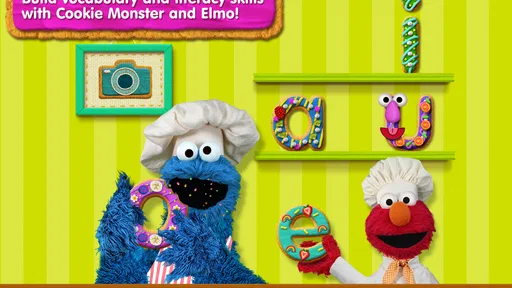
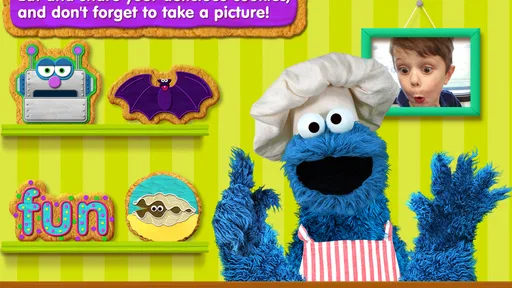
At first glance, Sesame Street Alphabet Kitchen seems like a simple game where kids get to play chef with their favorite Sesame Street characters. But dig a little deeper, and you’ll find it’s a cleverly designed educational app. The main action takes place in a vibrant kitchen where kids can join Elmo and Cookie Monster to create word cookies. Sounds yummy, right?
Worth Reading Before You Choose

EA SPORTS FC Mobile 26 Is a Bigger Football Game, but It Takes Time

Flipboard Shows What News Apps Must Do Beyond the Feed

Switching to Android Auto Means Rethinking Your Driving Routine

Google Calendar Makes a Crowded Week Easier to Manage

Ludo King Makes the Most of the Minutes Between Plans

Baby Panda World Brings Quick Play to Modern Phones, but Its Game Library Feels Busy
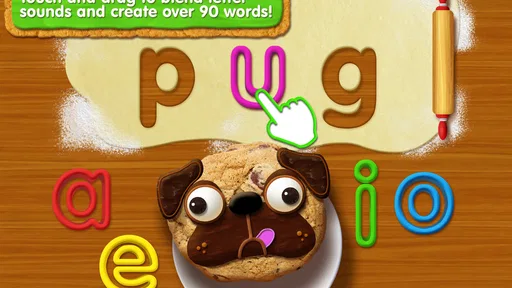
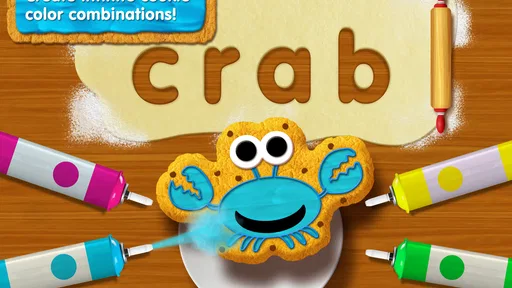
The app’s core idea is to help children learn their ABCs and improve their vocabulary. As they mix and match letters to form words, kids are subtly introduced to the magic of reading. What I love is how the app blends learning with creativity. For instance, kids can "bake" cookies by choosing different letter combinations, and each successful creation is met with cheers and encouragement from the characters. It’s like a mini celebration for every little achievement.
Features That Stand Out
One of the coolest things about the app is its interactive nature. Kids aren’t just passively watching; they’re actively engaging. The touch screen controls are intuitive, making it super easy for little fingers to swipe, tap, and drag letters to build words. Plus, the delightful animations keep them hooked!
Another feature that’s worth mentioning is the voiceover work. Elmo and Cookie Monster guide the kids with their familiar voices, making it feel as if they’re right there in the kitchen. It’s not just fun; it’s a comforting presence for young learners.
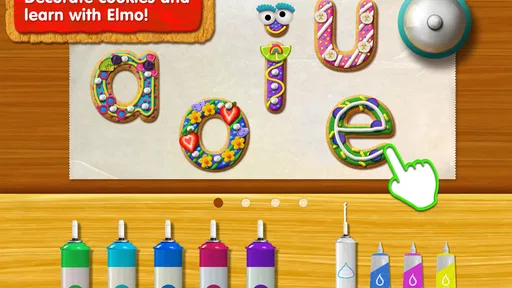
And let's not forget about the visual appeal. The colors are bright and inviting, and the kitchen setting is packed with charming details. Every ingredient, from flour to sprinkles, is designed to capture a child’s imagination.
Learning Through Play
The educational aspect of Sesame Street Alphabet Kitchen is what really sets it apart. While it’s all fun and games, the app is grounded in educational principles. It helps develop phonics and vocabulary skills in a way that feels organic. Kids learn to recognize letters and sounds, and the app encourages them to explore different word combinations.
What’s even better is that the app tailors its challenges to the user’s progress. As your child gets better at forming words, the app gently nudges them towards more complex tasks, ensuring they’re always learning at their own pace.
Choosing it for the right child
I think this is most useful for a preschooler or early reader who enjoys Sesame Street and is beginning to notice that letters make words. It can also suit a child who already recognizes some letters but needs a low-pressure reason to practice putting them together. The average rating is 4.0 from around 15,000 ratings, and it has been installed over 10 million times, which suggests that many families have tried it; those figures are context, not a guarantee that it will fit every child.
It is less likely to satisfy a confident reader looking for a broad set of reading exercises, longer stories, or a structured curriculum. The game’s appeal rests on a specific loop—letters, word-making, and playful kitchen feedback—so children who tire quickly of repeating a familiar activity may need a book, conversation, or another kind of learning game instead. I would also skip it as a hands-off way to teach reading: a grown-up’s occasional questions help make the connection between the screen and everyday language.
A realistic place in the day
For example, on a rainy afternoon while dinner is being prepared, I might offer a short turn at the kitchen game and then ask my child to find a letter on a package nearby. That keeps the screen activity from becoming the whole event and gives the child a simple way to carry the letter practice into real life. On a car ride, it may work as a quiet diversion when a device is available, though I would not rely on it as the only plan for a long trip or assume every child will stay absorbed for the same amount of time.
A useful tip is to follow the child’s attention rather than trying to finish a set amount of play. If they are enjoying the letter choices, ask them to say the sound or name a familiar word that starts the same way. If they begin tapping without looking, take that as a cue to pause. This approach makes the game more like a shared literacy activity and less like another screen task to complete.
How it compares with other early-reading options
Compared with alphabet videos, this game asks children to make choices and move letters, which gives them a more active role. Compared with paper flashcards, it adds animated character responses and a pretend-baking theme, but it cannot replace the flexible back-and-forth of an adult reading a book with a child. Other literacy games may suit families who want a broader range of drills or a more explicit progression; this one is a better fit when an inviting Sesame Street setting is what gets a hesitant learner to try.
There is a trade-off in that focused design. The familiar voices and cheerful responses can make practice feel welcoming, but the same character-led presentation may distract a child who would rather watch than think about letters. I would keep the session purposeful: let the child make the word, then talk about one letter or sound, instead of expecting the game alone to provide a complete lesson.
Small points that help avoid frustration
Young children do not all use touch screens in the same way. If a child struggles with a letter choice, show the movement slowly once, then let them try; repeated adult corrections can turn a playful task into a test. If they make an unexpected word or combination, use it as a chance to talk about sounds rather than treating every miss as failure. The cheerful feedback is useful encouragement, but a caregiver can supply the explanation that makes the activity meaningful.
Because the game includes optional paid items, I would review the device’s purchase controls before a child plays independently. That is a practical step even when the game itself is free to start. If the child is using a shared phone or tablet, it is also worth opening the game together first so they know where the activity begins and can ask for help rather than exploring the device’s other menus.
Sesame Workshop’s game sits in the educational category, and its 4.0 average reflects a generally positive reception without telling me how any individual child will respond. I would treat it as one tool in a small mix: a little app play, a picture book, and everyday talk about letters. That mix is especially helpful for children who enjoy repeating a familiar activity but need chances to hear and use words away from the screen.
Why You Should Download It
As a parent, I’m always on the lookout for apps that are both entertaining and educational. Sesame Street Alphabet Kitchen ticks all the boxes. It’s an app that you can feel good about letting your kids play. Not only does it keep them entertained, but it also provides a valuable learning experience.
Plus, with the familiar faces of Elmo and Cookie Monster, it’s like inviting beloved friends into your home. The app is perfect for those moments when you need a quiet activity to keep your child engaged, whether you’re on a long car ride or just enjoying some downtime at home.
If you’re ready to mix a little learning with a lot of fun, head over to the app store and give Sesame Street Alphabet Kitchen a try. Your kids will love it, and you might just find yourself sneaking a peek over their shoulder. Happy cooking!
Pros
- Engaging educational content for kids.
- Colorful and vibrant graphics.
- Simple
- intuitive gameplay mechanics.
- Encourages creativity and learning.
- Safe environment for children.
Cons
- Limited replay value for older kids.
- In-app purchases may be needed.
- Requires stable internet for features.
- Might be too simple for advanced learners.
- Ads can disrupt the experience.
FAQs for Sesame Street Alphabet Kitchen
What is Sesame Street Alphabet Kitchen?
Sesame Street Alphabet Kitchen is an educational app designed for young children to help them learn the alphabet and develop vocabulary skills through fun and interactive cooking-themed games. The app features popular Sesame Street characters like Elmo and Cookie Monster, making learning engaging and entertaining.
Is Sesame Street Alphabet Kitchen suitable for all ages?
The app is primarily designed for preschoolers and young children aged 3-5. It provides age-appropriate activities that focus on letter recognition, vocabulary building, and phonics. While older children may find it fun, the educational content is tailored specifically to early learners.
Does Sesame Street Alphabet Kitchen require an internet connection?
Once downloaded, Sesame Street Alphabet Kitchen does not require an active internet connection to play. This makes it a convenient option for parents looking to entertain and educate their children while on the go, without worrying about data usage or connectivity issues.
Are there any in-app purchases or ads in Sesame Street Alphabet Kitchen?
The app generally offers a one-time purchase model, meaning that after buying the app, users have access to all its content without additional in-app purchases. It is ad-free, providing a safe and uninterrupted learning experience for children, ensuring parents' peace of mind.
How does Sesame Street Alphabet Kitchen help in learning?
Sesame Street Alphabet Kitchen uses interactive gameplay to teach children about letters and words. By engaging in virtual cooking activities, kids learn to form words and understand phonics in a playful environment. This hands-on approach helps reinforce learning through visual and auditory cues, enhancing retention and comprehension.


